
Gaming Consoles
The gaming console landscape has officially fractured. The classic “console wars” are no longer just a simple binary choice of Sony vs. Microsoft under your TV.
Choosing a console is a choice between hyper-powered 4K home ecosystems, affordable digital-only entry points, or ultra-premium portable machines that blur the line between console and PC. If you are looking to invest in a machine right now, this comprehensive breakdown outlines exactly where the major players stand, who they are for, and where the industry is heading.
1. The Heavy Hitters: Maximum Power Home Ecosystems
If your goal is to experience cutting-edge graphics, ray tracing (realistic light and reflection simulation), and ultra-smooth frame rates on a high-end 4K or 8K TV, the traditional stationary market is led by two giants.
Sony PlayStation 5 (Slim & Pro)
Sony remains a powerhouse in the traditional console space, offering options based on how deeply you value graphical fidelity:
- PS5 Slim (Standard / Digital): The go-to machine for most players. It features a fast 1 TB SSD, a sleek footprint compared to the launch model, and flawless access to Sony’s massive library of narrative-driven exclusives.
- PS5 Pro: Designed explicitly for visual enthusiasts. Packing a massive 2 TB SSD and upgraded GPU power, it tackles the age-old compromise of forcing players to choose between “Performance Mode” (60 FPS) and “Quality Mode” (4K resolution). It lets you run games with heavy ray-tracing at high frame rates simultaneously.
Microsoft Xbox Series X
The Series X remains Microsoft’s flagship powerhouse, prioritizing stable 4K performance, backward compatibility, and an incredibly quiet cooling system. While Microsoft has shifted toward a multi-platform approach—even bringing historically exclusive franchises to rival platforms—the Series X hardware remains a beautifully engineered, monolithic box for running high-fidelity games.
2. The Budget-Friendly Entry Points
You don’t need to spend a fortune to access current-generation gaming. The industry has embraced lower-cost, digital-only hardware alternatives.
| Console | Resolution Focus | Best For | Storage |
| Xbox Series S (1TB) | 1080p to 1440p | Budget gamers, Game Pass subscribers | 1 TB NVMe SSD |
| PS5 Slim Digital Edition | Full 4K | Digital-only buyers who want maximum power | 1 TB NVMe SSD |
The Xbox Series S is arguably one of the greatest value plays in gaming history. While it compromises on raw resolution (targeting 1080p/1440p instead of native 4K), it plays the exact same library of games as the Series X. Paired with an active Xbox Game Pass subscription, it provides an instant library of hundreds of games for a fraction of the upfront hardware cost.
3. The Portability Revolution: On-The-Go Play
The boundary between “handheld” and “home console” has completely vanished. Portables are no longer compromised, secondary devices—they are primary systems.
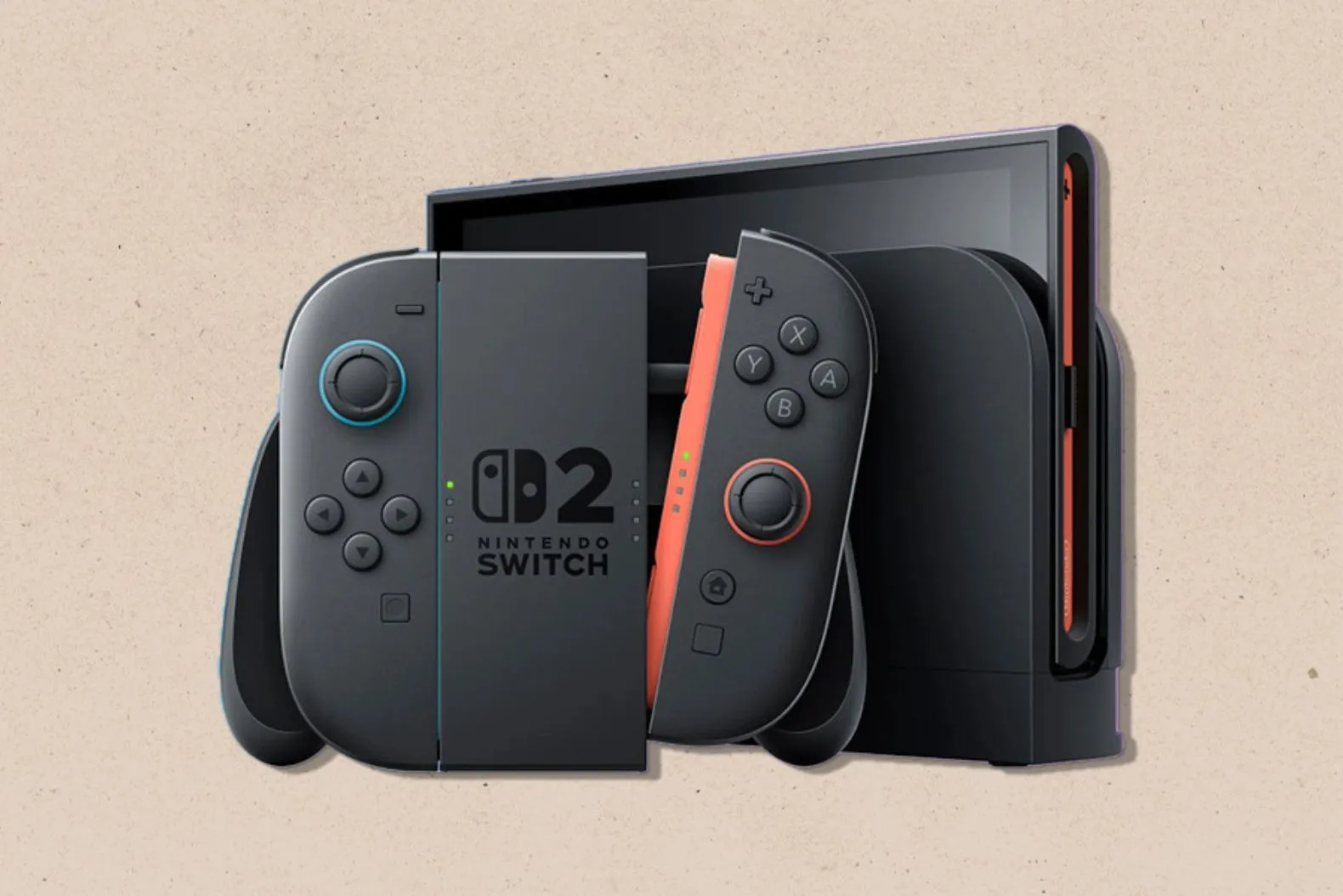
Nintendo Switch 2
Nintendo’s highly anticipated successor elevates their hybrid philosophy into modern standards. Featuring a crisp 1080p handheld display capable of a smooth 120 Hz refresh rate, it bridges the gap perfectly. When docked to your TV, it leverages advanced upscaling technologies to output at 4K with HDR, ensuring that Nintendo’s unparalleled first-party titles look sharper than ever, while maintaining full backward compatibility with your original Switch library.
The Handheld PC Hybrid (Steam Deck OLED, ROG Xbox Ally X)
Devices like the Valve Steam Deck OLED and the ASUS ROG Xbox Ally X have radically altered what it means to be a “console player.” While technically compact PCs, their seamless, game-centric operating systems offer a console-like experience. The ROG Xbox Ally X, running a customized Windows 11 interface, integrates smoothly with Xbox services and PC storefronts, giving players a massive library of PC-level games right in their hands.
4. Key Factors to Consider Before Buying
Before clicking “add to cart,” ask yourself three fundamental questions:
- Physical Discs vs. All-Digital: Consoles like the Xbox Series S and PS5 Pro are strictly digital. If you have a massive collection of physical Blu-ray games, or rely heavily on trading used games, you must opt for standard disc versions like the PS5 Slim or Xbox Series X.
- Subscription Ecosystems: Sony’s PlayStation Plus and Microsoft’s Xbox Game Pass are the backbones of modern console ownership. Microsoft’s ecosystem is heavily focused on “Day One” releases of major titles, while PlayStation Plus excels in providing an incredible back-catalog of critically acclaimed adventures.
- Your Display Equipment: Buying a high-end premium console like a PS5 Pro is only worth the investment if your display can actually handle it. To get your money’s worth, you will want a modern 4K OLED TV or high-refresh monitor equipped with HDMI 2.1 ports.
The Takeaway: There is no single “best” console anymore. The right choice depends entirely on your lifestyle—whether you want a budget-friendly box for a casual living room setup, a high-fidelity powerhouse for a dedicated home theater, or a premium handheld to take your gaming adventures on the road.